
Catastrophe and Risk
Catastrophe Risk Models
When catastrophic events threaten billions in exposure, risk modeling provides the clarity insurers, reinsurers, and brokers need to make confident decisions. Natural perils like hurricanes, earthquakes, and severe thunderstorms—alongside man-made events such as terrorism—demand scientifically rigorous catastrophe risk models that reflect near-present climate realities and evolving threat landscapes. Verisk's insurance risk models deliver the trusted foundation for decisions across the entire risk lifecycle.
Four decades of scientific leadership in catastrophe modeling
We pioneered catastrophe risk modeling in 1987, establishing the foundation for how the insurance industry quantifies and manages extreme event exposure. For nearly 40 years, Verisk has developed probabilistic models that help more than 400 organizations prepare for the financial impacts of catastrophes before they occur. Today, our insurance risk models assess the likelihood and severity of loss from catastrophes across more than 120 countries and territories worldwide, supporting decisions measured in billions of dollars.
Comprehensive risk modeling tools for every major peril
From hurricanes intensifying in unexpected patterns to wildfires raging outside historical zones, extreme events are evolving faster than ever. Our catastrophe risk models span natural and man-made perils, delivering the granular insights you need to understand exposure across your entire portfolio.
Hurricane and Tropical Cyclone Models
North Atlantic basin, Pacific typhoons, and global tropical cyclone risk with storm surge modeling
Wildfire Models
Wildland-urban interface risk reflecting vegetation dynamics and climate-driven expansion
Extratropical Cyclone Models
Risk assessment for snow, ice, and freeze damage from a single winter storm or a cluster of storms
Agricultural Risk Models
Comprehensive analyses of historical yield, price, and loss data for crops, forests, and livestock
Climate Risk Solutions
Understand risks and losses from physical and liability aspects of changing weather
Strikes, Riots, and Civil Commotion (SRCC) Risk Model
Estimate losses related to damage and business interruption from fire, looting, and vandalism
Validated with proprietary data, trusted by industry leaders
Catastrophe modeling is the foundation of billions of dollars in risk transfer decisions. When models become the currency of risk, trust is critical. That's why we continuously validate and calibrate our risk modeling tools with proprietary, verified historical data spanning more than $130 billion in detailed claims and $370 billion in aggregate loss data.
Our models reflect the latest scientific research, extensive observational data, and engineering knowledge—ensuring outputs aligned with real-world outcomes to support underwriting and pricing with confidence in exposure assessment; capital optimization and efficient allocation; regulatory, rating agency, and internal capital adequacy compliance; reinsurance program structuring and insurance-linked securities evaluation; and portfolio management across complex, multi-peril exposures.
Related resources
Explore how our catastrophe risk models deliver clarity for confident decisions in an increasingly complex world.

Documentation
Extreme Event Solutions Client Portal
Access client-confidential downloads, training, and documentation for Verisk's extreme event solutions model, software, and service offerings.

Brochure
Modeling Extreme Event Risk
Fortunately, extreme events are rare. But it is exactly their rarity that makes estimating losses from—and preparing for—future catastrophes so difficult.

Report
Modeling Insured Catastrophe Losses: A Global Perspective for 2024
This report examines global loss metrics based on Verisk’s latest suite of models, providing a global view of risk.
Resources
About Catastrophe Modeling
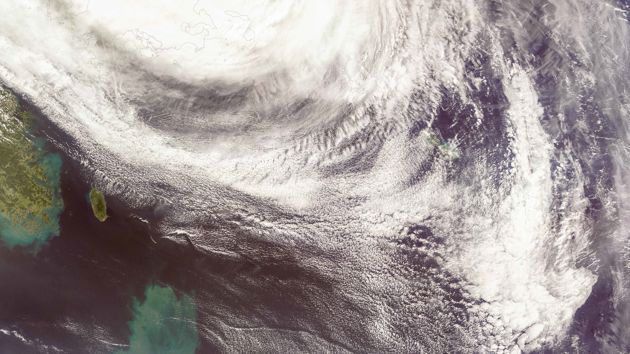
For rare but severe events, historical loss information is often unreliable in assessing future loss potential. That’s where catastrophe modeling comes in.

General trainings
Certified Extreme Event Modeler (CEEM) Training
Gain insight into the science behind natural catastrophes and a behind-the-scenes look at how catastrophe models are developed and validated.
Research
Research publications from Extreme Event Solutions
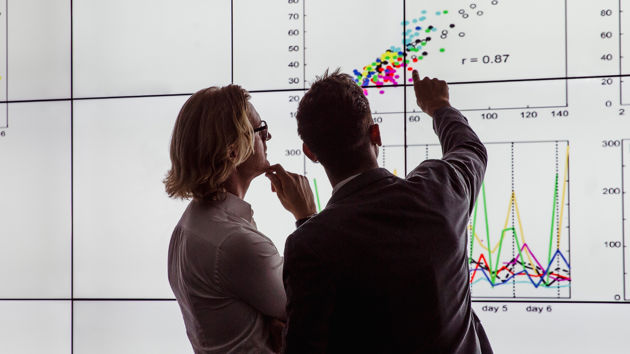
Verisk Extreme Event Models are developed by experts who are constantly innovating and driving discovery. Learn more about their groundbreaking work.
Contact us to learn more
Telephone support is available at the following offices, please call your local provider at one of the listed numbers below:

Support numbers:
Boston +1 6172676645
London: +44 (0)20 37640300
Munich: +49 (0)89 2323735 0
Hyderabad: +91 40 66002266
Beijing: +86 10 5965 2780
Singapore: +65 6249 0770
Tokyo: +81 (0)3 6551 2840